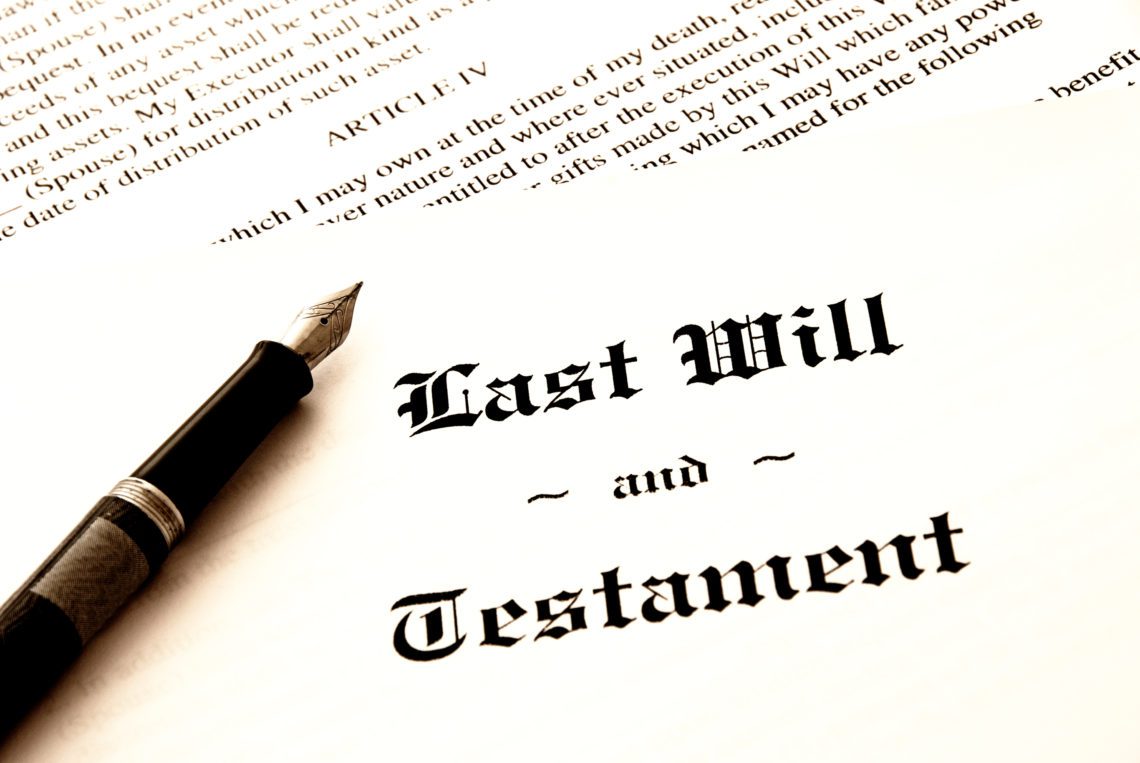
When thinking about your future, estate planning should be top of mind. An estate plan can help protect your finances—and your family—should you die or become unable to manage your affairs.
Failing to have an estate plan means your money, possessions, and even guardianship of your minor children could get tied up in the legal system while fees and court costs eat away at your finances. Everyone—regardless of age, wealth, and family situation—can benefit from some degree of estate planning, and having a plan in place can help ensure your goals and wishes are carried out.
Estate planning is the process of determining how you want your assets handled when you’re no longer capable of making financial decisions—either from death or incapacity. An estate plan also allows you to communicate medical requests, such as a do-not-resuscitate order or end-of-life care, to lessen the burden on your loved ones if you become ill or hospitalized. Estate planning often involves putting together everything from a will and a health care directive to purchasing adequate life insurance, naming guardians for minor children or heirs with disabilities, and figuring out who will inherit your property and money.
These foundational estate planning documents can provide you with a sense of choice, clarity, and control over your future affairs:
- Durable power of attorney
- Advance directives
- Will
- Revocable trust (if applicable)
The first four are legal documents. Without them, your wishes lack legal force and may be superseded by state law.
All Services